
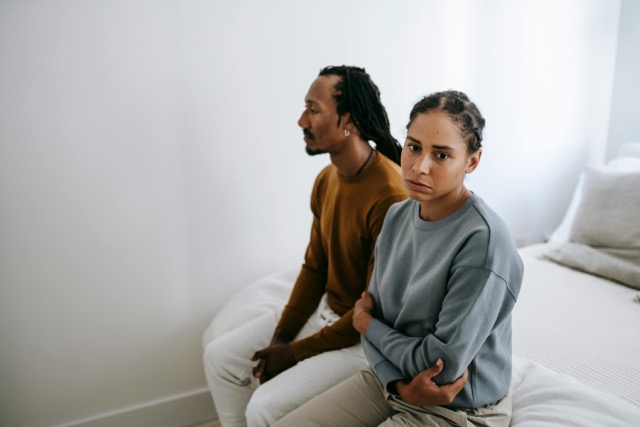
If you’re searching for signs of cheating, there’s a good chance something already feels off.
Many clients who reach out for infidelity therapy in Pasadena say the same thing at the start: “I can’t prove anything, but I feel it.”
That feeling can be unsettling. You may find yourself analyzing small details, questioning your instincts, or going back and forth between trust and doubt.
This article will help you understand the real signs of infidelity, what they mean, and what to do next if you’re concerned about your relationship.
Noticing a Shift: The First Sign Something Is Off
Before people identify specific behaviors, they often describe a more subtle experience: a shift in the relationship.
A common pattern we often see is:
- Less emotional connection
- Conversations feel surface-level or strained
- Physical intimacy changes
- One partner feels “far away” even when present
These changes don’t automatically mean cheating. But they do signal that something in the relationship needs attention.
10 Common Signs of Cheating in a Relationship
1. Increased Secrecy
- Guarding their phone
- Changing passwords
- Taking calls privately
Privacy is healthy. Secrecy is different. When transparency disappears, trust often follows.
2. Sudden Schedule Changes
Unexplained late nights, new commitments, or inconsistent routines can raise questions, especially if they don’t align with what you know about your partner’s life.
3. Emotional Distance
Many clients describe feeling like they’ve “lost” their partner emotionally. Less eye contact, less curiosity, less engagement.
4. Defensiveness or Overreaction
When simple questions lead to disproportionate defensiveness, it can signal guilt or avoidance.
5. Changes in Intimacy
This can go either direction:
- Decreased intimacy
- Or sudden, heightened sexual interest
Both can be confusing and emotionally charged.
6. Increased Criticism
Sometimes, a partner involved in an affair becomes more critical as a way to justify emotional distance.
7. Unexplained Expenses
Hidden purchases, unfamiliar charges, or financial secrecy can be a practical indicator.
8. More Time on Devices
Excessive texting, social media use, or messaging that feels hidden or guarded.
9. Gut Feeling
Many people hesitate to trust this, but intuition often reflects subtle relational cues your mind has already picked up.
10. Emotional Connection Elsewhere
Not all infidelity is physical. Emotional affairs, where a partner shares intimacy and vulnerability with someone else, can be just as impactful.
Important: Signs Are Not Proof
One of the most important things to understand is this:
Signs of cheating are not the same as confirmation.
Many of these behaviors can also show up in:
- Stress or burnout
- Depression or anxiety
- Life transitions
- Avoidance of conflict
This is where things become complicated. Acting too quickly can damage trust. Ignoring patterns can deepen disconnection.
In therapy, people often realize the goal is not just to “catch” something, but to understand what is happening in the relationship.
What to Do If You Suspect Cheating
1. Slow Down and Get Grounded
Reacting from panic or fear can escalate the situation. Give yourself space to think clearly.
2. Track Patterns, Not Isolated Moments
Look for consistent changes rather than one-off behaviors.
3. Have a Direct Conversation
This is often the hardest step. Many clients worry about:
- Being dismissed
- Starting a conflict
- Hearing something painful
But avoiding the conversation usually prolongs the distress.
4. Focus on the Relationship Dynamic
Instead of only asking “Are they cheating?” consider:
- What has changed between us?
- Where are we disconnected?
5. Consider Professional Support
Working with a couples therapist in Pasadena can provide structure, safety, and clarity during this process.
Can a Relationship Recover After Cheating?
Yes. But not by going back to how things were.
For many couples, infidelity becomes a turning point. With the right support, it can lead to:
- Deeper emotional honesty
- Stronger communication
- More secure attachment
However, healing requires:
- Accountability
- Transparency
- Willingness from both partners
This is where cheating recovery therapy in Pasadena becomes essential. Without guidance, couples often get stuck in cycles of blame, defensiveness, and pain.
How Therapy Helps After Infidelity
In therapy for infidelity, the focus is not just on what happened, but why it happened and how to repair the damage.
At our Pasadena practice, we use Emotionally Focused Therapy (EFT), which helps couples:
- Understand underlying emotional needs
- Rebuild trust step by step
- Repair attachment injuries
- Create new patterns of connection
For individuals, betrayal trauma therapy can help process:
- Shock and grief
- Obsessive thoughts
- Loss of safety and identity
Many clients describe feeling “out of control” emotionally after discovering infidelity. Therapy helps restore stability and clarity. You can learn more about this process here.
When to Seek Marriage Counseling in Pasadena
You don’t need to wait for certainty.
It may be time to seek marriage counseling in Pasadena if:
- You feel stuck in suspicion or anxiety
- Conversations escalate or go nowhere
- Trust feels broken, even without proof
- You want clarity before making decisions
Many of the couples we work with are not deciding whether to stay together. They already know they want to. They just don’t know how to reconnect.
FAQs
What are the most common signs of cheating?
Secrecy, emotional distance, defensiveness, and changes in routine are among the most common signs. However, these behaviors are not definitive proof.
Can you be wrong about cheating suspicions?
Yes. Anxiety, past experiences, and relationship disconnection can all create suspicion. This is why careful, thoughtful exploration is important.
What should I do first if I suspect cheating?
Start by observing patterns and having an honest conversation. If it feels overwhelming, therapy can help guide this process.
Can trust be rebuilt after cheating?
Yes, with consistent effort, transparency, and professional support, many couples successfully rebuild trust.
Is couples therapy helpful for cheating?
Yes. Couples therapy for cheating provides structure, accountability, and tools for rebuilding connection.
Conclusion
If you’re searching for signs of cheating, you’re likely already carrying a heavy emotional burden.
Whether your concerns lead to confirmation or clarity in another direction, you don’t have to navigate this alone.
At our Pasadena practice, we specialize in infidelity therapy in Pasadena, helping individuals and couples move from confusion and pain toward understanding and reconnection.
If you’re ready for support, you can learn more about couples therapy in Pasadena here, or reach out to schedule a consultation.
About the Author
Michelle Cantrell, LPCC is a Licensed Professional Clinical Counselor in Pasadena, CA, specializing in relationship repair, infidelity recovery, and emotional connection. In private practice since 2014, she is a Certified EFT Therapist and Supervisor with advanced training in EMDR and IFS. Michelle helps high-functioning individuals and couples create deeper, more secure, and more fulfilling relationships.
Don't suffer alone, we are here to help.
Get a free consultation today!
About the Author

I love helping people experience more success in their relationships. So many individuals and couples come to me having had great success in their professional lives while struggling in their most important relationships. Whether I’m working with an individual or a couple, I help clients have healthier relationships with others and themselves, improve their connection with their partners, and become more effective at getting their relational needs met.


